

Recognizing the Symptoms of Overtraining Before Performance Declines
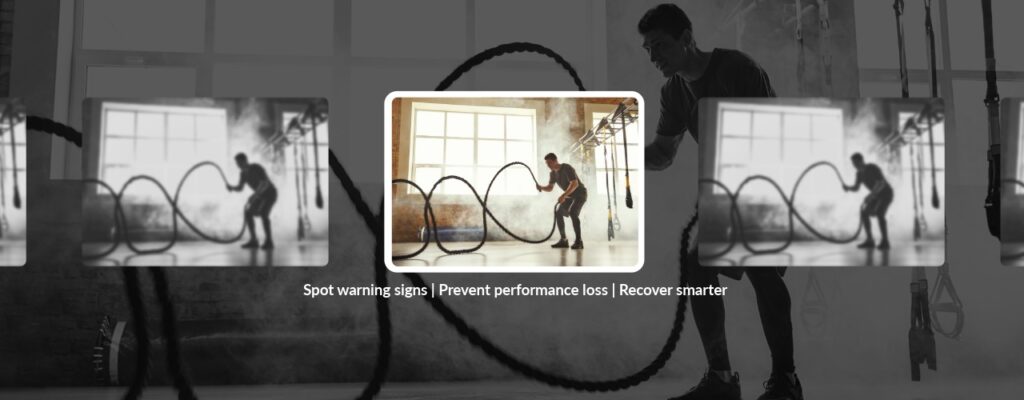
Athletes often push their limits to improve strength, speed, and endurance. But when training intensity outpaces recovery, the body can’t repair itself properly. This leads to overtraining symptoms in athletes, a condition that affects both physical performance and mental well-being.
The good news is that you can avoid overtraining symptoms by recognizing early warning signs and taking corrective steps before fatigue turns into injury or long-term performance loss. And you don’t have to do it alone, either, as the Lamesa Physical Therapy & Sports Rehab team can help guide you through every step of the process.
How to Avoid Overtraining as An Athlete
Step 1: Understand What Overtraining Means
Overtraining occurs when athletes train harder or more frequently than their bodies can handle. Muscles, joints, and the nervous system become overstressed, and recovery time isn’t long enough to rebuild strength.
Recognizing overtraining symptoms in athletes starts with understanding this imbalance between stress and recovery.
What Causes Overtraining?
- Rapid increases in workout intensity or volume
- Poor nutrition or inadequate hydration
- Insufficient sleep
- Emotional stress or lack of rest days
Step 2: Identify Physical Warning Signs
Your body often signals overload before major setbacks occur. The most noticeable symptoms appear during or after training and indicate that your body hasn’t fully recovered between workouts. Here’s what to look out for:
- Persistent muscle soreness or joint pain
- Frequent injuries such as strains or tendon irritation
- Elevated resting heart rate or prolonged fatigue
- Loss of coordination or slower reaction time
- Trouble sleeping or waking up exhausted
Step 3: Notice Emotional and Behavioral Changes
Overtraining doesn’t just affect muscles. It can also impact your mood and motivation. When overtraining symptoms in athletes persist emotionally, it’s a clear sign that both the mind and body need recovery.
Look for these signs:
- Irritability, anxiety, or mood swings
- Decreased enthusiasm for training or competition
- Difficulty concentrating or staying focused
- Feeling “burned out” or disconnected from your goals
Step 4: Evaluate Performance Metrics
Athletes often ignore subtle declines in performance, assuming a few tough workouts are normal. However, consistent drops in speed, strength, or endurance are warning signs of overtraining.
Tracking performance data, like heart rate variability, training load, and sleep quality, can help identify overtraining before it disrupts your season. Some common performance red flags include:
- Slower times or reduced power output despite effort
- Inability to complete usual training sets or distances
- Plateaued or regressing results after months of consistent effort
Step 5: Take Action Early
Once you recognize early signs, act quickly. Waiting too long may require extended recovery or medical intervention.
A physical therapist at Lamesa Physical Therapy & Sports Rehab can design a personalized recovery plan that balances training and rest, reduces strain, and improves overall movement efficiency. Some of the strategies we might suggest include:
- Scheduling rest days and active recovery sessions
- Incorporating low-impact activities such as yoga or swimming
- Prioritizing nutrition rich in protein and complex carbohydrates
- Staying hydrated and getting at least 7–9 hours of sleep
Step 6: Prevent Future Overtraining
After recovering, prevention becomes the key to sustained performance. Our team can provide you with strategies to ensure you train smarter and maintain consistent progress without risking burnout. For example, we might suggest:
- Gradually increase training intensity by no more than 10% per week
- Rotate training types to avoid repetitive strain
- Track rest-to-work ratios and recovery trends
- Schedule regular mobility and strength assessments
- Maintain open communication with coaches or healthcare providers
Lamesa Physical Therapy & Sports Rehab is Here to Help
If fatigue, pain, or mental exhaustion continue despite rest, it’s time to seek professional support. Our physical therapists can evaluate your movement, training habits, and overall health to detect overtraining symptoms in athletes early.
Contact us today to schedule an assessment and get a personalized plan supporting recovery and performance.